With Great Mentors, There Are No Excuses

Great Mentors – No Excuses One of my great mentors, Henry Mankin, M.D., was an imposing man, both physically and intellectually. With a Falstaffian frame, broad face, balding crown, thick horn-rimmed glasses, and a full jet-black mustache, he often had a wry smile, but if he was displeased with a student’s performance, the smile rapidly…
Read MoreHow Heroes Motivate Us To Reach For Infinite Possibilities
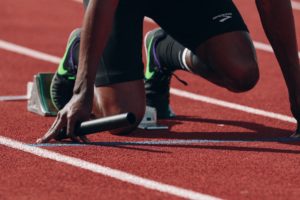
How Heroes Inspire Us On May 6, 1954, on a cold, damp, and windy day in Oxford, England, Roger Bannister became the most famous athlete on the planet. Why? Because on that day he accomplished what doctors and scientists at that time said was physiologically impossible. He broke the four-minute-mile barrier. Bannister’s record did not…
Read MoreThis Is What Real Courage Looks Like
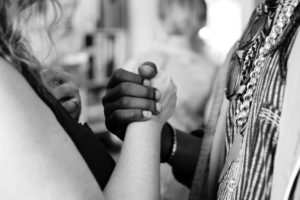
Real Courage Doesn’t Have To Be Huge Uncle Whiz stood 5’7” and weighed 145 pounds dripping wet. You might not think he would be the most courageous man a teenager would meet. But he was. “Whiz” was short for Isadore. He was my mother’s brother and one of my favorite relatives. He always took me…
Read MoreWhat It’s Like To Live in a State of Flow
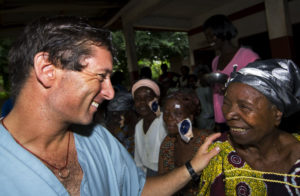
Have you ever been “in the flow”? So focused on what you’re doing that time flies by and nothing can distract you from what you’re doing? Athletes often talk about being in the zone, but it can happen to anyone, anywhere. The concept of flow state was developed by Mihaly Csikszentmihalyi, who coined the term…
Read MoreIs Gratitude the Secret to a Long Life?

My mother, Beatrice Lewis, is 103 years old. She possesses a wide, generous smile, and easily shares her joy. She is comfortable in her own skin and people of all ages are drawn to her. On a regular basis, my mother states “I’m grateful that I can be grateful.” She understands that gratitude is necessary…
Read MoreThe Importance of Great Mentors
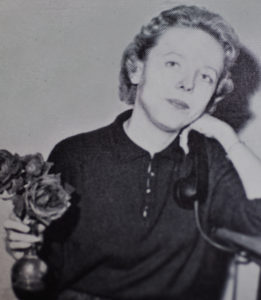
Throughout my life, I’ve been fortunate to have multiple mentors — enlightened teachers who taught me powerful lessons and changed my outlook. The first one was my speech and debate teacher in high school, Mollie Martin. As an educator, Mollie set high standards and was exceedingly demanding. Since we would travel by bus to distant…
Read MoreOn the Importance of Friendship

A friend may well be reckoned the masterpiece of nature. – Ralph Waldo Emerson The Psychology of Friendship In 1938, Harvard University began what would become a groundbreaking study on what makes a healthy and happy life. Researchers tracked 268 Harvard sophomores throughout the years and eventually expanded the study to include their children, wives,…
Read MorePerforming Acts of Kindness without Expecting a Reward
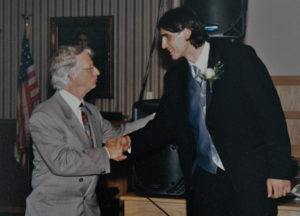
Kindness In Action It started with a Croatian basketball player named Igor Perica. The 6-foot, 7-inch power forward had torn his anterior cruciate ligament (ACL) in his knee and came to me for the reconstruction surgery. At the time, I was an orthopedic consultant for the Chicago Bulls, he was a stranger in a strange…
Read MoreThe Right Decision isn’t Always Easy
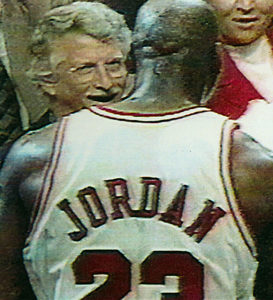
As you can imagine, it’s not easy having to make treatment decisions for athletes. Especially when it could affect the team’s entire season and especially when it’s NBA superstar Michael Jordan. May 25, 1998. The Eastern Conference Finals in Conseco Fieldhouse, Indianapolis, Indiana. In this series Michael “Air” Jordan and the Chicago Bulls were up…
Read MoreA Lesson in Handling Adversity with Bill Wennington

“When facing adversity, we should not ask, ‘Why me?’ but instead, ‘What am I supposed to learn from this?’” – Chip Conley What is Adversity? Merriam-Webster defines adversity as “a state or instance of serious or continued difficulty or misfortune.” Athletes are one group of people who experience this more often than the general population…
Read More